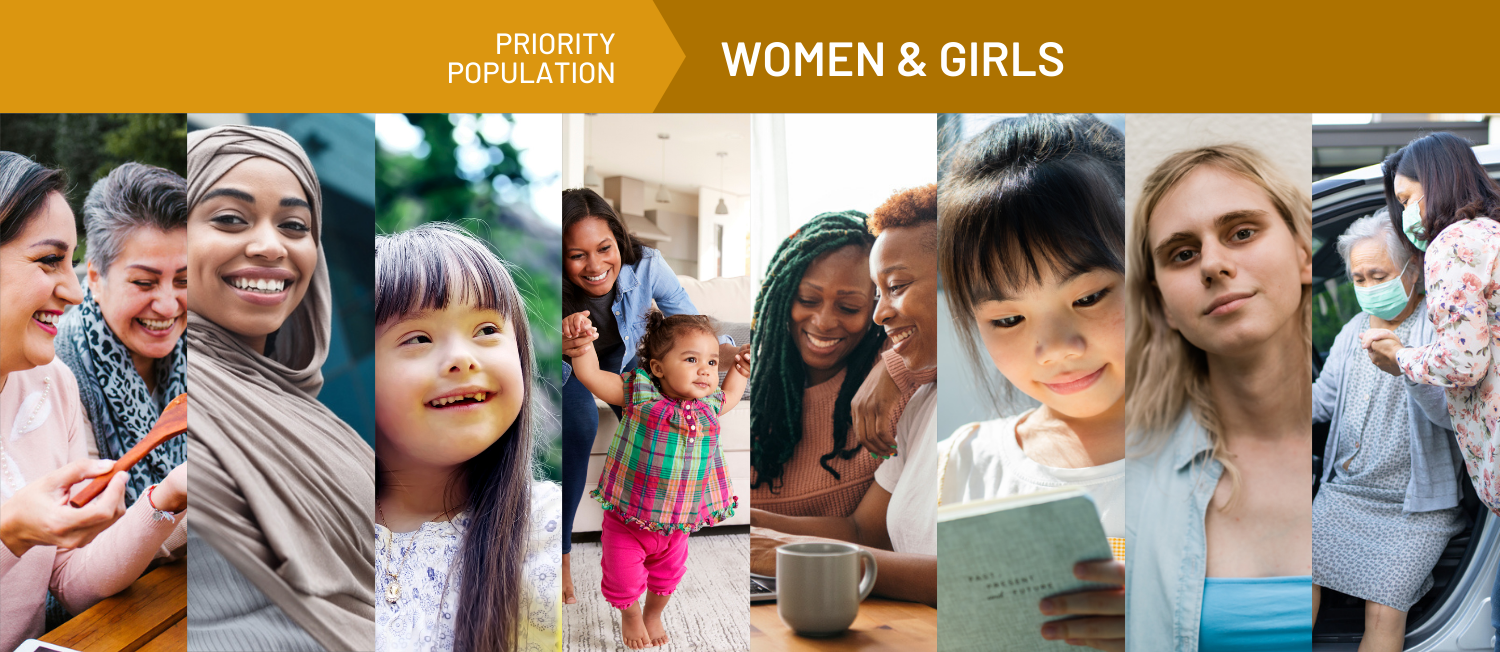
Priority Populations Framework: Gender and Orientation Groups
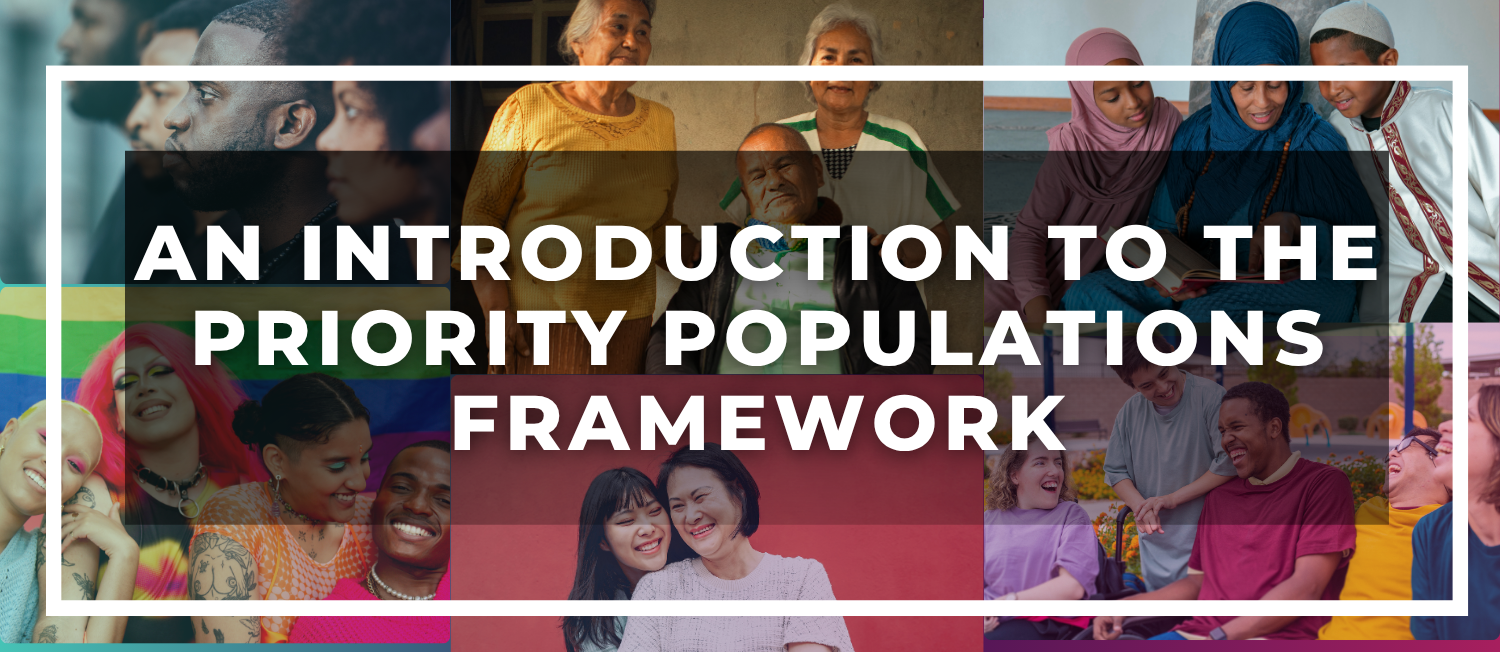
At Community Commons, we use the term priority populations to describe population groups of focus—or priorities—in community improvement work. These groups represent diverse communities with different identities, social positions, and lived experiences that are—or ought to be—prioritized in advancing equitable well-being.
We developed the Priority Populations Framework as a tool to consider groups who may be disproportionately affected by an issue and to help identify specific populations to engage in community improvement efforts.
The Framework holds that:
- Priority populations are those who should be included in decision-making about health and well-being policies, programs, and interventions.
- Working with priority populations is about reducing disparities and centering power, lived experience, and solutions that come from within those communities
- Priority populations are often disproportionately affected by health or well-being challenges.
About Gender and Sexual Orientation Groups
Gender and sexual orientation groups include communities defined by gender identity, gender expression, sexual orientation, and the social norms and systems that shape how those identities are experienced. Examples. include women and girls, men and boys, lesbian, gay, bisexual, transgender, queer, intersex, asexual (LGBTQIA+) people, and individuals who identify as transgender, non-binary, or gender nonconforming.These identities influence how people experience health, safety, opportunity, and belonging. They are often sources of strength, community, and resilience. At the same time, they are dimensions along which inequities frequently emerge. Health outcomes, economic security, exposure to violence, and access to care vary significantly by gender identity and sexual orientation.
For example, women experience higher rates of certain chronic conditions and face persistent gender pay gaps that shape long-term economic and health outcomes. LGBTQ+ people experience elevated rates of depression, anxiety, and suicide, particularly among youth. Transgender and non-binary people face disproportionately high rates of discrimination in health care, housing, and employment, contributing to poorer physical and mental health outcomes.
These disparities are not the result of individual behavior alone; they are shaped by social norms, policies, and systems that privilege certain gender identities and sexual orientations while marginalizing others. Laws, institutional practices, and cultural assumptions can limit access to safe housing, quality health care, economic opportunity, and legal protections for women and LGBTQIA+ people. Over time, these structural barriers compound, producing persistent and measurable inequities across health, safety, and well-being.
Definition / Description
Priority populations encompass groups whose identities influence how they interact with health care, education, housing, employment, and other systems. When bias, exclusion, or rigid norms are present, disparities in outcomes emerge.
Recognizing these groups of people as priorities ensures that public health and equity strategies focus on addressing structural barriers, while also valuing the leadership, lived expertise, and solutions that come from within gender- and sexually diverse communities.
How Are Health and Well-Being Influenced by Gender and Sexual Orientation?
Health is shaped not only by medical care, but also by the social and structural conditions in which people live. Gender identity and sexual orientation influence exposure to discrimination, stigma, and exclusion, which in turn affect mental health, stress levels, economic security, and access to care.
Discrimination itself functions as a social determinant of health. Chronic stress related to sexism, homophobia, transphobia, and gender-based violence is associated with higher rates of depression, anxiety, cardiovascular disease, and adverse birth outcomes. In health care settings, lack of provider knowledge or bias can result in delayed care, misdiagnosis, or avoidance of care altogether.
What Can We Learn By Examining Inequities And Disparities?
Examining outcomes by gender identity and sexual orientation reveals patterns that are often hidden in aggregate data. Disparities describe measurable differences in outcomes across groups, while inequities refer to those differences that are unjust, avoidable, and rooted in structural conditions.
This lens helps public health practitioners and community leaders understand where interventions are most needed and why solutions must address systems, not just individuals. It also highlights the effectiveness of community-led strategies, such as LGBTQ+-affirming health centers, gender-based violence prevention programs, and peer-led mental health supports that have demonstrated improved outcomes.
Examining Legacies
Gender- and sexuality-based inequities are shaped by historical and ongoing systems of exclusion. These legacies are embedded in laws, institutions, and social norms, and they continue to influence outcomes today. For example, policies that restrict access to gender-affirming health care or fail to protect LGBTQ+ people from discrimination reinforce disparities in health, economic security, and civic participation.
In health care, long-standing exclusion of women and LGBTQ+ people from clinical research has led to gaps in evidence and treatment guidelines. Transgender people have historically been pathologized within medical systems, contributing to mistrust and barriers to care.
In employment, gender discrimination and wage inequity have limited economic security for women, while LGBTQ+ people—especially transgender and gender nonconforming individuals—face higher rates of unemployment and workplace harassment.
In law and policy, criminalization of same-sex relationships, lack of legal recognition for gender identity, and restrictions on reproductive autonomy have directly shaped health, safety, and opportunity.
Understanding these legacies shifts the focus from individual behavior to structural causes and reinforces that disparities are not inevitable. They are the result of decisions and systems that can be changed.
Co-Leading with Community
Equitable progress requires centering the leadership of people most affected by gender- and sexuality-based inequities. This means moving beyond consultation toward shared decision-making and power.
Effective engagement includes funding community-based organizations led by women, LGBTQ+ people, and gender-diverse leaders; compensating individuals for lived expertise; and designing programs that are culturally responsive and affirming. Partnerships must be sustained and rooted in trust, accountability, and shared ownership.
Achieving equity also requires structural change: dismantling discriminatory policies, redistributing resources, and holding systems accountable for outcomes. Solutions are strongest when they are shaped and led by the communities they are intended to serve.
Featured Resources
Discover curated resources focused on gender and sexual orientation groups as priority populations. These materials offer data, stories, and strategies to help practitioners and community leaders understand inequities, examine structural drivers, and elevate community-led solutions.



Beyond Inclusion: Pronoun Use for Health and Well-Being
Story
-
 Original
Brought to you by Community Commons

Beyond Allyship: Leveraging Activism Tools to Improve Transgender and Nonbinary Health
Story
-
Original
Brought to you by Community Commons
Published on 01/26/2022

The Growing Gap: Gender Pay Equity, Meaningful Work, and Wealth during COVID-19
Story
-
Original
Brought to you by Community Commons

Taking Action for Trans Rights: Our Favorite Tools, Resources, and Data
Story
-
Original
Brought to you by Community Commons
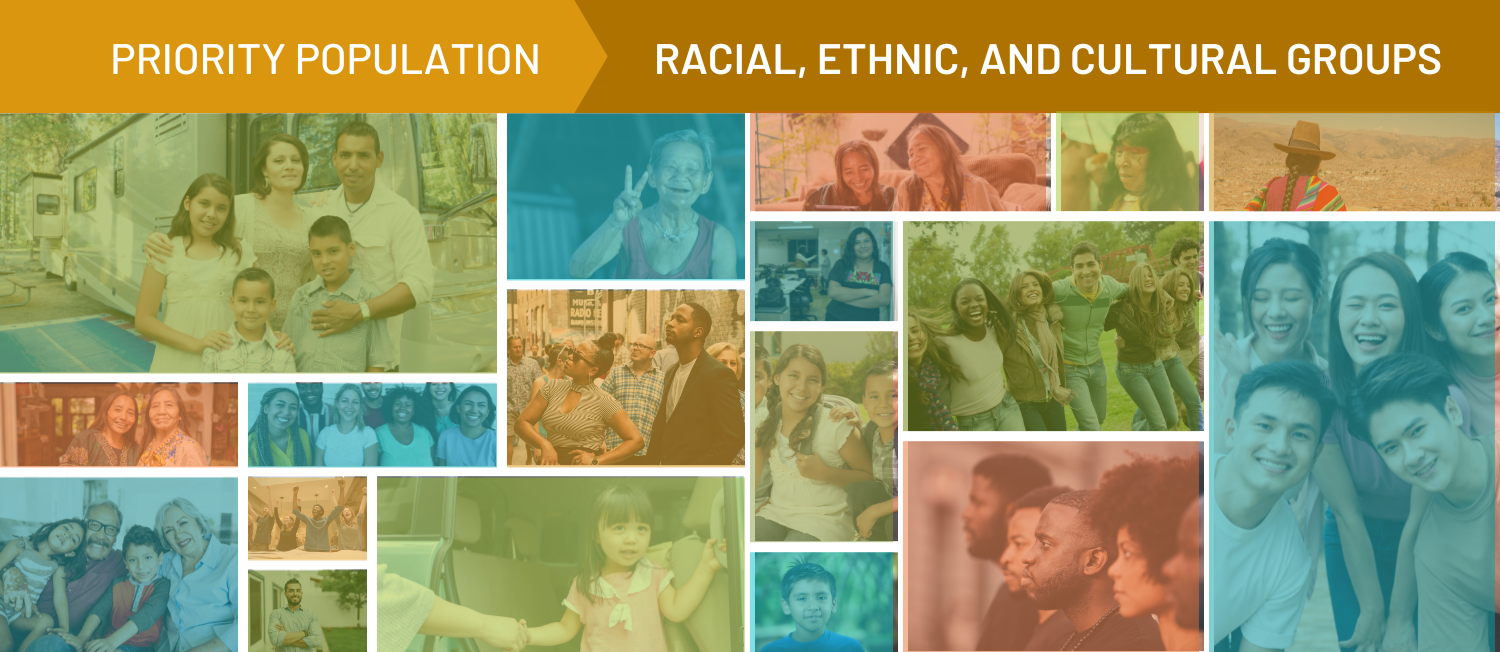
Priority Populations: Racial, Ethnic, and Cultural Groups
Story
-
Original
Brought to you by Community Commons
Published on 09/30/2025
Get Data for Your Community
Explore IP3 ASSESS as a web-based tool to analyze gender and sexual orientation groups within your community. This platform offers indicators, interactive maps, and shareable reports to support data-driven actions for advancing community well-being. Identifying priorities requires looking beyond population size to include disparities, risk, lived experience, and local context. Data from IP3 ASSESS can support a broader, equity-centered assessment that informs action.
Related Topics