Relationships First: A Roadmap for Equitable Collaboration with Community Based Organizations
This collection was created in partnership with the American Public Health Association (APHA), the Institute for People, Place, and Possibility (IP3), and an advisory group composed of health department staff, community-based organization leaders, and cross-sector partners. It was adapted from the Build and Bridge Library developed through the Public Health and Equity Resource Navigator (PHERN).
Effective partnerships emerge when collaborators move beyond transactional interactions and commit to building lasting relationships grounded in trust, equity, shared structures, and continuous communication.
The Build and Bridge Library on PHERN—the Public Health and Equity Resource Navigator—highlights five characteristics of successful partnerships: trust and relationship building, equity and power dynamics, clear structure and accountability, resource sharing and funding, and effective communication and flexibility. Together, these principles offer a practical roadmap for growing and sustaining strong, equitable collaborations with community-based organizations and cross-sector partners.
1. Relationship and Trust Building
Trust is foundational to successful partnership. It is cultivated deliberately and nurtured over time. Strong relationships emerge when partners commit not only to the work, but also to each other. Key practices include:
Affirming shared values and vision. Alignment on purpose sets the tone for how partners show up and move forward together.
Communicating transparency. Partners communicate openly and proactively, building trust through honesty, clarity, and shared context.
Investing time and presence. Deep partnerships develop over time; they require steady engagement, ongoing dialogue, and a willingness to learn together.
Acknowledging historical harms. Naming and validating past inequities builds credibility and creates space for mending.
Centering humility, humanity, and active listening. These practices help partners learn from one another, deepen understanding, build connection, and strengthen collaboration over time.
Building relationships that endure change. Strong partnerships build continuity and sustainability through shared norms, clear communication, and trust that can weather staffing shifts and funding cycles.

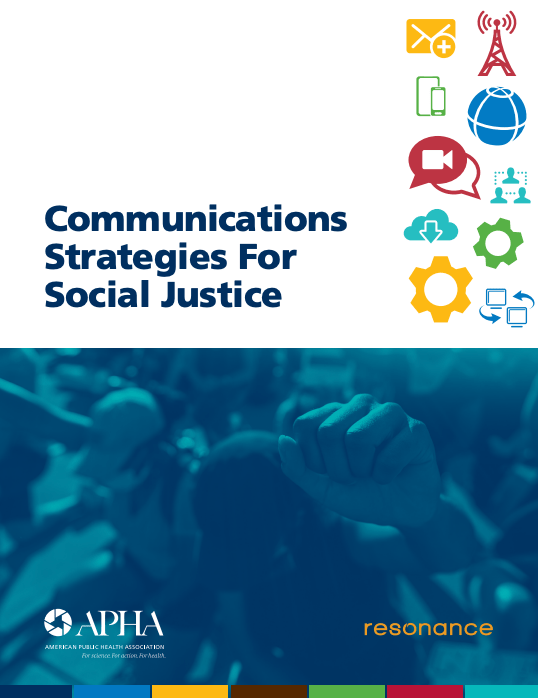
Building Trust-Based Community Partnerships For Public Health Professionals
Tool - Workshop/training
Brought to you by APHA
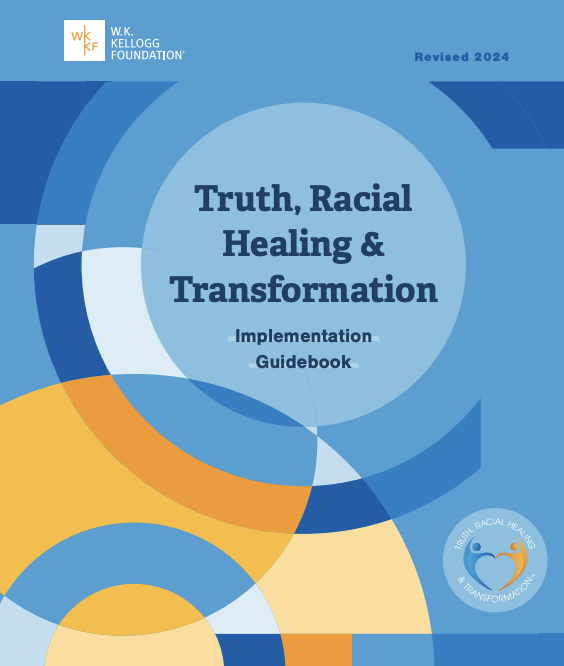
Truth, Racial Healing and Transformation Implementation Guidebook
Resource - Guide/handbook
Brought to you by W.K. Kellogg Foundation
2. Equity and Power Dynamics
Equity is both a guiding outcome and an ongoing practice. While power imbalances inevitably exist in partnerships, they can be intentionally disrupted, and authentic power-sharing can be strengthened over time. Strong partnerships address issues of power and enhance equity by:
Disrupting traditional hierarchies. Strong partnerships move beyond feedback-only roles and create meaningful opportunities for shared decision-making and power sharing.
Practicing power-sharing. Partners improve equity by creating structures that elevate community expertise and promote community ownership.
Embracing collaborative leadership. Leadership is shared across the partnership, with responsibility and influence distributed rather than centralized.
- Prioritizing inclusivity. Effective partnerships design systems, processes, and communication so all partners can participate fully and meaningfully.
- Recognizing the role of CBOs. Community-based organizations bring trusted relationships, deep local knowledge, and lived expertise that strengthen collaboration and keep the work grounded.


Shifting and Sharing Power: Public Health’s Charge in Building Community Power
Resource - Journal Article

Bridging and Power Building Paper Series
Resource
Brought to you by Othering and Belonging Institute
3. Clear Structure and Accountability
Well-defined structures help partnerships move from intention to action. Clarity reduces confusion, strengthens alignment, and enables shared ownership of outcomes. Foundational elements include:
Co-defining roles, responsibilities, goals, and expectations. Shared clarity helps partners align their efforts, stay coordinated, and move forward effectively.
Establishing governance structures. Thoughtful decision-making processes create space for shared leadership and meaningful participation.
- Staying action-oriented. Strong partnerships pair vision with follow-through, turning shared goals into tangible action.
- Practicing mutual accountability. Partners build trust through consistency, reliability, and shared responsibility for results.

4. Resource Sharing and Funding
Resources—financial, relational, and operational—are essential to making collaborations sustainable. Strong partnerships:
Identifying and securing shared funding. Joint investment strengthens shared ownership and supports long-term, relationship-centered work.
- Building on shared strengths. Resource sharing builds on the unique assets each partner brings—whether financial, relational, operational, or community-based
- Providing supportive infrastructure. Dedicated coordination, staffing, and operational support help partnerships stay connected, organized, and sustainable.
Funders Forum on Accountable Health: Case Studies
Resource - Case Study
Brought to you by George Washington University
Sustainable Resourcing: A Playbook for Anchor Collaboratives
Resource - Guide/handbook
Brought to you by HAN
5. Effective Communication and Flexibility
Communication is the connective tissue of partnership. It creates alignment, builds rapport, and ensures responsive collaboration. Effective partnerships prioritize:
Ongoing communication. Communication is a routine way of working together, not just during crises or project milestones.
Inclusive communication practices. Using accessible language, providing translation, and honoring cultural nuances ensure everyone can fully participate.
- Flexibility and adaptability. As partners grow, needs evolve. Strong collaborations allow for change, ensuring the work remains relevant and responsive.
- Recognizing unique strengths and limitations. Each partner brings different expertise and capacities, and strong partnerships create conditions where everyone can contribute and excel.
Collaborative work is transformative when approached with intention, humility, and equity. By centering trust, addressing power dynamics, establishing clear structures, sharing resources, and communicating effectively, partners can build relationships that succeed in the moment and endure and deepen over time.