
Charting the Future of Vaccination
Charting the Future of Vaccination
Vaccines have long been a cornerstone of public health, saving millions of lives by preventing diseases like smallpox, polio, and measles. The success of these past efforts reminds us that scientific innovation, public trust, and equitable access remain essential for progress. The global eradication of smallpox in 1980, led by the World Health Organization, demonstrated that when vaccines are widely trusted and distributed, humanity can eliminate even the deadliest diseases. Similarly, decades of collaboration and education have brought the world to the brink of eradicating polio—proof that persistence and partnership can transform global health.
Building on Scientific Lessons Learned
The COVID-19 pandemic reignited public awareness of vaccines and accelerated the use of mRNA technology, an innovation that now extends far beyond COVID-19 itself. It also exposed deep inequities in access, trust, and communication, reminding us that no public health breakthrough succeeds without community confidence and inclusion.
Today, scientists and public health leaders are applying those lessons to the next generation of vaccine development and delivery.
- Next-generation technologies: Self-amplifying mRNA vaccines, such as ARCT-154 (approved in Japan in 2023), represent an important evolution in immunization science, with potential applications for influenza, respiratory viruses, and even certain cancers.
- New delivery methods: Needle-free options, like nasal spray vaccines, are being developed to improve comfort, convenience, and accessibility—especially for children and those with needle anxiety.
Confronting Persistent Challenges
Even with scientific progress and updated guidance, the vaccine landscape is still marred by deep inequities, access gaps, and trust barriers.
Global and Childhood Immunization Gaps
In 2023, global childhood immunization progress stagnated. WHO and UNICEF reported that childhood vaccination coverage failed to increase sharply—resulting in 2.7 million additional children un- or under-vaccinated compared to pre-pandemic levels in 2019. As of mid-2025, over 14 million infants remain “zero-dose” — meaning they received no routine vaccines during their first year of life. These children are disproportionately located in conflict-affected, low-resource, or fragile settings. These gaps suggest that rebuilding and strengthening immunization systems remains a major priority. Supply chain resilience, primary health infrastructure, community outreach, and sustained funding are all part of the solution.
Trust, Equity, and Misinformation Dynamics
In the United States, vaccine confidence varies significantly by region, demographic group, and socio-historical context. Between 2018–2021, childhood vaccination coverage declined somewhat for cohorts born during the COVID-19 disruption. For example, children born in 2020–2021 had lower coverage for many routine vaccines compared to children born in 2018–2019, with declines ranging from 1.3 to 7.8 percentage points. These declines were particularly pronounced among children in historically marginalized groups: non-Hispanic Black, Hispanic, uninsured, or low-income children.
Public opinion data also reflect shifting attitudes. A 2023 Pew survey found that 28% of Americans now believe parents should have the option not to vaccinate their children—even if that choice increases health risk. That marks a rise from prior years and corresponds with growing polarization around vaccine policy.
Underlying these trends is a legacy of systemic racism, unequal access to health care, and experiences of exploitation or exclusion from medical research. These factors contribute to justified skepticism among many communities, especially Black Americans, Indigenous populations, and others historically marginalized by health institutions.
Towards Rebuilding Trust and Inclusion
In this environment, simply presenting data is not enough. Rebuilding trust and improving uptake require strategies rooted in empathy, partnership, and accountability:
- Community-centered engagement: Engage trusted local leaders (faith leaders, community health workers, grassroots organizations) in co-designing outreach efforts. Messaging should come with communities, not to them.
- Transparent communication and feedback loops: Share not just benefits and risks, but also decision-making rationales, evidence updates, and listening mechanisms for concerns or questions from communities.
- Addressing structural barriers: Even willing individuals may face hurdles: lack of transportation, inflexible work schedules, language or literacy barriers, limited clinic hours. Interventions like mobile clinics, vaccine “pop-ups,” and transportation supports are vital.
- Accountability and equity metrics: Measure vaccination uptake disaggregated by race, income, geography, and other relevant factors to monitor disparities. Hold systems accountable by prioritizing underserved communities in resource allocation.
- Sustained investment: Building resilient immunization systems, workforce capacity, and outreach infrastructure requires long-term commitment, not crisis-driven bursts of funding.
Continuing the Legacy
From the eradication of smallpox to the rapid development of COVID-19 vaccines, the story of vaccination is one of scientific innovation, collective effort, and hard-earned trust. Each generation faces new challenges—emerging diseases, misinformation, disparities in access—but also new opportunities to strengthen systems and rebuild confidence. As technology advances and understanding deepens, vaccines continue to remind us of what’s possible when science and society work hand in hand. By centering equity, transparency, and community partnership, we can honor the lessons of the past and secure a healthier, more resilient future for all.

The History of Vaccines: Timeline
Resource - Website/webpage
Brought to you by The College of Physicians of Philadelphia


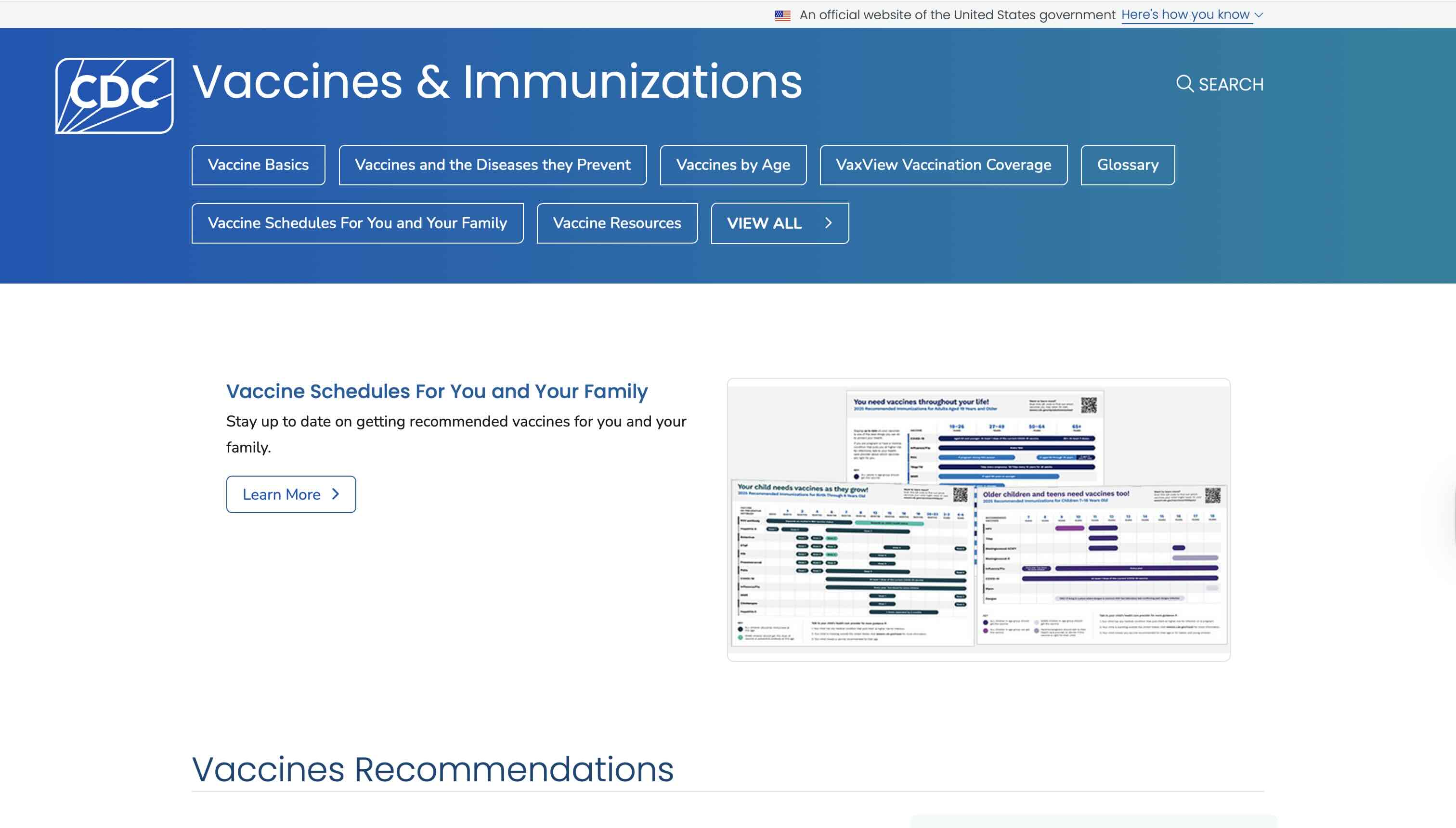


Which Vaccines Does My Family Need: Babies and Children
Resource - Website/webpage
Brought to you by VYF

How Well Do Non-MRNA Vaccines Work Against Omicron and Will Vaccine Inequity Worsen?
Resource - Blog
Brought to you by IDSA



Learning from the Past and Creating New Legacies of Equitable Vaccination
Story
-
 Original
Brought to you by Community Commons

Taking Action to End Vaccine Preventable Illnesses
Story
-
Original
Brought to you by Community Commons
Published on 05/01/2025
Related Topics
